Corpus Christi Explained: Faith, History, and Global Traditions
Explore Corpus Christi meaning, history, and global celebrations. Learn traditions, symbols, and why this Catholic feast remains important today.
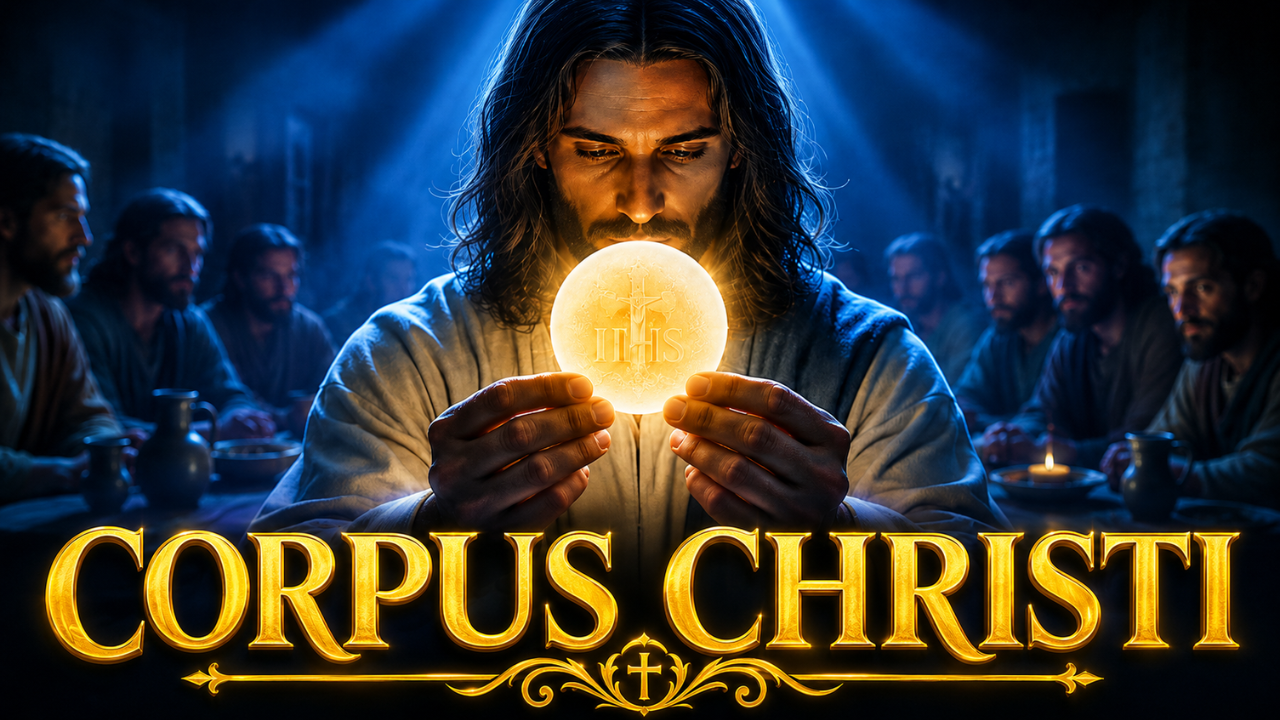
Corpus Christi is a major Christian feast that focuses on the Eucharist, also known as Holy Communion.
It highlights the belief in the real presence of Christ in the bread and wine shared during worship.
Across the world, Corpus Christi is marked with prayers, processions, and church services.
Communities gather to honor faith, tradition, and spiritual unity.
This guide explains the meaning, history, celebrations, symbols, and modern relevance of Corpus Christi in a clear and structured way.
What is Corpus Christi and why is Corpus Christi important?
Corpus Christi is a Christian feast that honors the Eucharist.
The name means “Body of Christ” in Latin.
It focuses on the belief that Jesus Christ is spiritually present in Holy Communion.
For many believers, this is one of the most sacred teachings in Christianity.
The feast is mainly observed in the Catholic Church but also influences other Christian traditions.
It is usually celebrated on the Thursday after Trinity Sunday or on the following Sunday in some countries.
Corpus Christi matters because it strengthens faith and community.
It reminds believers of unity through shared worship.
Key points:
Honors the Eucharist
Strengthens Christian identity
Encourages public worship and reflection
Why is Corpus Christi important in daily faith?
Corpus Christi is not only a church event.
It shapes how believers understand their connection to God.
Many see it as a moment to renew spiritual focus.
It brings attention back to prayer, gratitude, and humility.
In simple terms, it reminds people that faith is active, not passive.
It encourages participation, not just observation.
How did Corpus Christi develop in Corpus Christi traditions?
The history of Corpus Christi begins in the 13th century.
It was introduced to highlight devotion to the Eucharist.
A key figure in its development was Saint Juliana of Liège.
She promoted the idea of a special feast dedicated to the Body of Christ.
Later, Pope Urban IV officially established the feast in 1264.
This made it a formal part of Catholic tradition.
Over time, Corpus Christi spread across Europe and beyond.
It became known for public processions and community gatherings.
Key developments include:
13th-century origin in Europe
Papal approval in 1264
Expansion into global Catholic practice
How did early communities respond to Corpus Christi?
Early Christian communities welcomed the feast with strong participation.
Street processions became a major feature.
People decorated paths with flowers and art.
Churches became centers of public celebration.
This helped connect faith with daily life in a visible way.
It also strengthened shared identity among believers.
How is Corpus Christi celebrated in Corpus Christi communities?
Corpus Christi celebrations vary across countries but share common elements.
The most important feature is the Eucharistic procession.
During processions, the consecrated bread is carried through streets.
People follow with prayers, hymns, and reflection.
In many places, streets are decorated with flowers, leaves, and carpets of color.
These decorations show respect and devotion.
Common practices include:
Mass and Holy Communion
Outdoor processions
Religious singing and prayer
Community gatherings
In Latin America, celebrations are often large and highly decorated.
In Europe, they are more traditional and structured.
How do modern cities celebrate Corpus Christi today?
Modern celebrations still keep traditional elements but adapt to urban life.
Some processions move through city centers or church courtyards.
Technology also helps share events online.
Churches stream services for wider participation.
Even in busy cities, the focus remains spiritual reflection and unity.
What symbols define the celebration and meaning?
Corpus Christi uses several symbols to express faith.
Each symbol carries deep meaning.
The Eucharist (bread and wine) is the central symbol.
It represents the body and blood of Christ.
Other symbols include:
White cloths (purity and reverence)
Flowers (beauty and devotion)
Processional candles (light and guidance)
Monstrance (display of the Eucharist)
These symbols help believers focus during worship.
They create a strong visual expression of faith.
Why do symbols matter in Corpus Christi?
Symbols help people understand spiritual ideas in a simple way.
They connect belief with visual meaning.
For example, flowers on the street are not just decoration.
They represent respect and honor.
The use of light shows guidance and divine presence.
These visuals make the celebration more engaging and memorable.
Why does Corpus Christi still matter today in Corpus Christi faith?
Corpus Christi remains important because it connects tradition with modern belief.
It keeps ancient practices alive in today’s world.
Many believers see it as a reminder of spiritual values.
It strengthens community bonds through shared worship.
In a fast-paced world, it offers a moment of pause and reflection.
It brings people back to simple acts of faith.
Reasons it still matters:
Preserves Christian tradition
Encourages community unity
Strengthens spiritual reflection
Connects generations of believers
How does Corpus Christi influence modern spirituality?
Modern spirituality often focuses on personal growth.
Corpus Christi adds a shared dimension to that experience.
It reminds people that faith is also communal.
It is practiced together, not alone.
This balance between personal and community belief keeps it relevant today.
How can you learn more or participate in modern celebrations?
You can take part in Corpus Christi celebrations by visiting local churches.
Many churches open participation to everyone.
Attending Mass is the most direct way to engage.
You can also join processions or volunteer in preparations.
Ways to learn more:
Visit local parish websites
Attend church services
Read Catholic educational resources
Join community events
You can also support educational and faith-based content online here:
Patreon Membership
What is the best way to experience Corpus Christi fully?
The best way is participation.
Being present during Mass and procession gives real understanding.
Observing decorations, prayers, and community energy helps connect meaning with practice.
It is both a spiritual and cultural experience.
Even simple attendance can give strong insight into its importance.
Final Note
Corpus Christi combines history, faith, and community life.
It remains a living tradition that continues to evolve while keeping its core message intact.
It is both a religious observance and a cultural expression shared across the world.
