
John the Baptist: His Life, Ministry, Message, and Lasting Legacy
Learn who John the Baptist was, his ministry, his connection to Jesus, and why his message still matters to Christians today.
John the Baptist stands as one of the most important figures in the Bible. His life connected the promises of the Old Testament with the arrival of Jesus Christ in the New Testament.
He was a prophet, preacher, and messenger chosen by God for a unique purpose. His mission was simple yet powerful: prepare people's hearts for the coming Messiah.
Although his public ministry lasted only a short time, his impact continues to influence Christian faith worldwide. His call to repentance, humility, and obedience remains relevant today.
Understanding John the Baptist helps readers better understand the ministry of Jesus and God's plan of salvation.
Who Was John the Baptist?
John the Baptist was a Jewish prophet sent by God to prepare the way for Jesus Christ. He was born to Zechariah, a priest, and Elizabeth, a righteous woman who was related to Mary, the mother of Jesus.
His birth was miraculous because his parents were elderly and had been unable to have children. An angel announced John's birth before he was conceived, showing that God had a special purpose for his life.
John lived a simple lifestyle in the wilderness. He wore clothing made from camel's hair and ate locusts and wild honey. His appearance reflected the Old Testament prophets who called people back to God.
Unlike religious leaders of his day, John focused on spiritual transformation rather than outward rituals. He urged people to repent and prepare for God's kingdom.
His ministry attracted large crowds from across Judea and Jerusalem. Many recognized him as a prophet because of the authority and conviction with which he spoke.
John became known as "the Baptist" because he baptized people in the Jordan River as a public expression of repentance.
Why Was John the Baptist's Birth So Significant?
The birth of John fulfilled prophetic expectations that a messenger would come before the Messiah.
The angel Gabriel told Zechariah that his son would help turn people back to God. This announcement echoed prophecies found in the Old Testament.
John's birth demonstrated God's faithfulness. For centuries, Israel had waited for a prophet. John's arrival signaled that God was actively preparing for the coming of Christ.
What Made John's Ministry Different?
John preached in the wilderness instead of religious centers.
His message was direct:
Repent
Turn away from sin
Prepare for God's kingdom
He did not seek popularity or wealth. His focus remained on God's mission.
This simplicity gave his ministry unusual power and authenticity.
How Did People Respond to John's Teaching?
People responded in large numbers.
Many confessed their sins publicly and were baptized.
Religious leaders also came to observe him, though John often challenged their hypocrisy. He emphasized genuine repentance rather than religious appearance.
His boldness made him respected by ordinary people and controversial among powerful leaders.
What Was the Mission of John the Baptist?
John's mission was to prepare people for Jesus.
He served as a herald announcing the arrival of the Messiah. Just as ancient kings had messengers who traveled ahead of them, John went before Christ.
His preaching focused on repentance because hearts needed preparation before receiving the Savior.
John challenged people to examine their lives honestly. He called for evidence of transformed behavior, not merely religious activity.
His ministry created spiritual expectation throughout the region. As a result, many people were ready to listen when Jesus began teaching.
Most importantly, John consistently pointed attention away from himself and toward Christ.
He understood that his role was temporary.
His purpose was to help people recognize Jesus.
Why Did John the Baptist Baptize People?
Baptism symbolized repentance and a commitment to change.
When people entered the Jordan River, they publicly acknowledged their sins and their desire to follow God.
John's baptism differed from Christian baptism practiced after Jesus' resurrection. It focused primarily on repentance and preparation for the Messiah.
The act carried powerful meaning.
It demonstrated:
Humility
Faith
Spiritual renewal
Readiness for God's work
Through baptism, John provided a visible expression of an inward decision.
His ministry emphasized that true faith affects both the heart and actions.
Thousands participated because they sensed a genuine movement of God.
John's baptisms became one of the defining features of his ministry and helped distinguish his message from other religious teachings of the time.
How Did John the Baptist Prepare the Way for Jesus?
John prepared the way by directing attention toward Christ.
He announced that someone greater was coming. He repeatedly emphasized that he was not the Messiah.
What Did John Say About Jesus?
John described Jesus as:
The Lamb of God
The Son of God
The One who takes away the sins of the world
These descriptions helped people understand Jesus' identity and mission.
John also taught that while he baptized with water, Jesus would baptize with the Holy Spirit.
His testimony gave credibility to Jesus' ministry.
Many of John's followers eventually became followers of Christ because of his witness.
John understood that success meant leading people to Jesus rather than building his own following.
This humility remains one of the strongest lessons from his life.
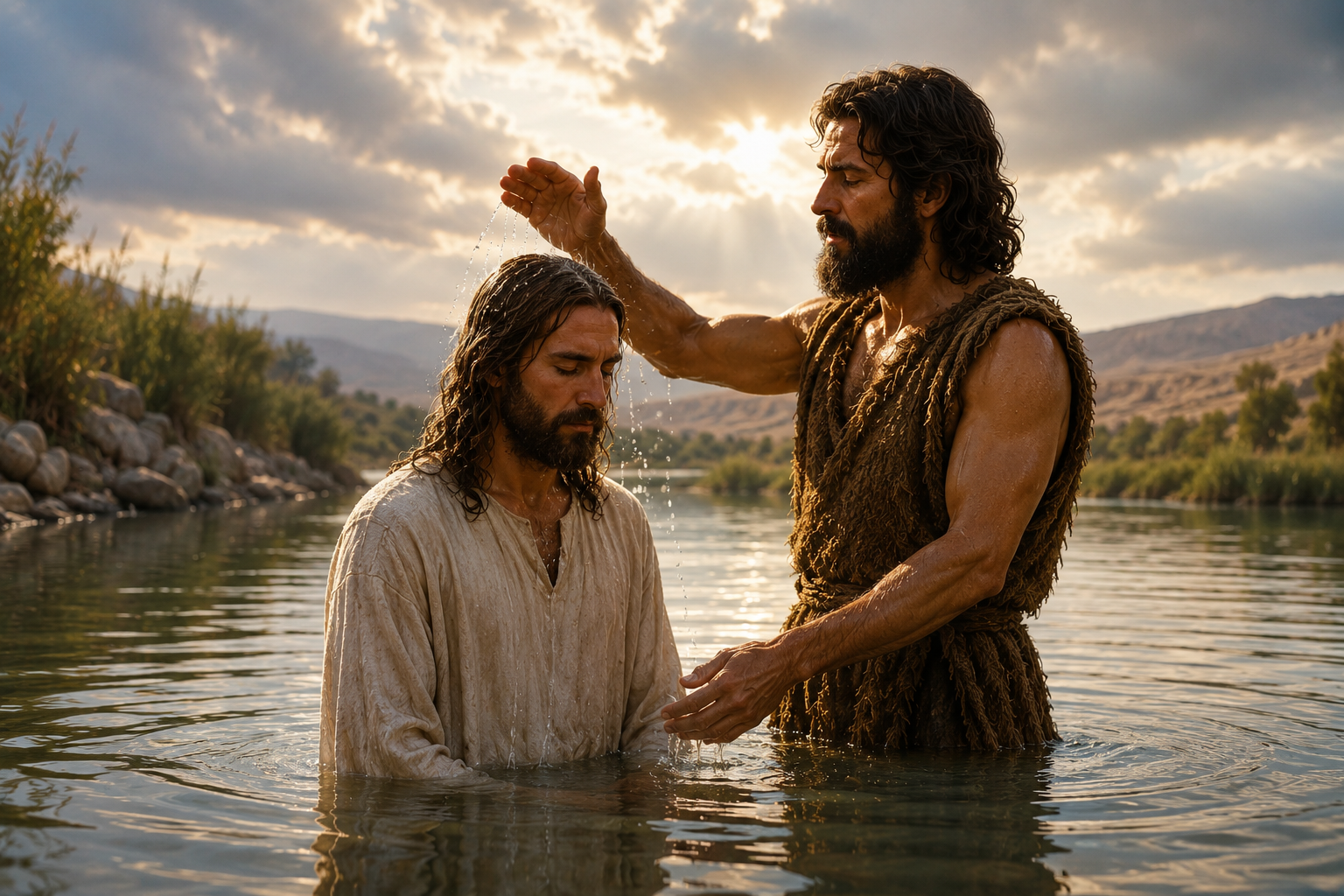
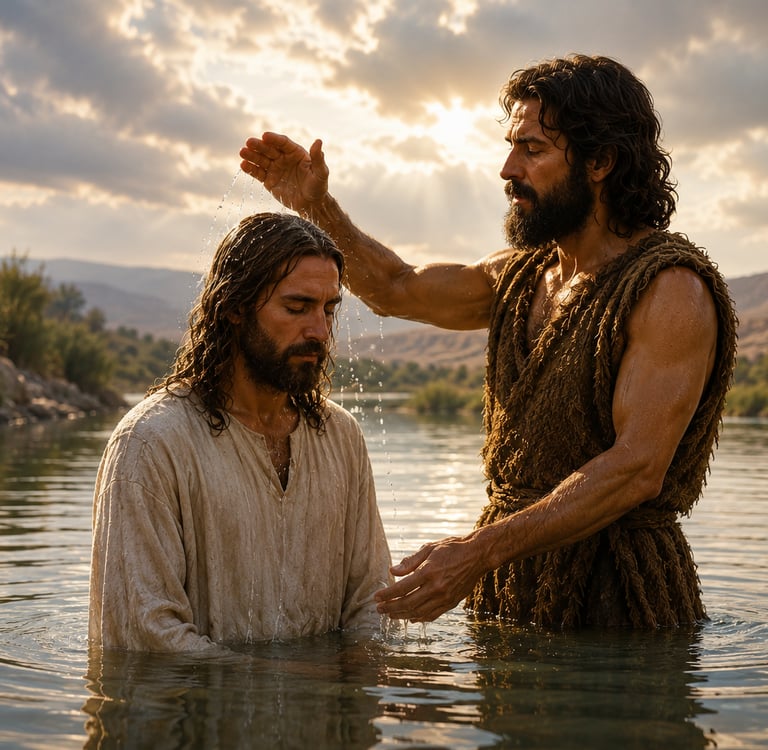
Why Did John the Baptist Baptize Jesus?
At first, John resisted baptizing Jesus.
He recognized that Jesus was sinless and superior to him.
However, Jesus insisted.
The baptism served several important purposes.
First, it identified Jesus publicly as God's chosen Messiah.
Second, it marked the beginning of Jesus' public ministry.
Third, it demonstrated obedience to God's plan.
During the event, the Holy Spirit descended like a dove, and a voice from heaven declared Jesus to be God's beloved Son.
This moment became one of the clearest demonstrations of God's approval of Jesus.
John's role in this event further confirmed his mission as the forerunner of Christ.
The baptism remains one of the most significant events recorded in the Gospels.
What Can We Learn from John the Baptist's Message?
John's message remains remarkably relevant.
He taught that spiritual change begins with repentance.
Repentance involves:
Recognizing sin
Turning away from wrongdoing
Turning toward God
Living differently
John also emphasized humility.
He famously stated that Jesus must increase while he must decrease.
This attitude challenges modern culture, which often promotes self-promotion and personal recognition.
John demonstrated courage as well.
He spoke truth regardless of consequences.
His commitment to God's message never changed, even when facing opposition.
How Can Modern Christians Apply His Example?
Modern believers can follow John's example by:
Living with integrity
Prioritizing God over popularity
Speaking truth with love
Remaining humble
Pointing others toward Christ
His life shows that faithfulness matters more than fame.
God often works through people who are willing to serve quietly and obediently.
These lessons continue to inspire Christians around the world.
How Did John the Baptist Die?
John's ministry eventually brought him into conflict with political leaders.
He publicly criticized Herod Antipas for an unlawful marriage.
Herod had John arrested and imprisoned.
Although Herod respected John's character, political pressure complicated the situation.
During a banquet, Herod made a rash promise that led to John's execution.
John was beheaded while in prison.
His death demonstrated the cost of speaking truth in difficult circumstances.
Despite this tragic ending, John's faithfulness never wavered.
He remained committed to God's calling until the end of his life.
His martyrdom became a powerful testimony of courage, conviction, and unwavering devotion.
Why Does John the Baptist Still Matter Today?
John the Baptist remains relevant because his message addresses timeless spiritual needs.
People still need repentance, forgiveness, and reconciliation with God.
His life demonstrates the importance of humility and obedience.
He never sought personal glory.
Instead, he focused entirely on God's purpose.
His ministry reminds believers that preparation matters. Just as he prepared people for Christ's first coming, Christians are called to prepare their hearts continually for God's work.
John's courage inspires those facing opposition for their faith.
His commitment encourages believers to stand firm in truth.
His humility teaches the value of pointing attention toward God rather than ourselves.
Most importantly, John directs readers to Jesus.
That was his mission then, and it remains his lasting legacy today.
Conclusion
John the Baptist played a unique role in biblical history. From his miraculous birth to his courageous death, every stage of his life pointed toward God's plan of redemption.
He prepared the way for Jesus, called people to repentance, and demonstrated remarkable humility and faithfulness.
His message remains as relevant today as it was two thousand years ago.
For anyone seeking to understand the foundations of Christian faith, the life of John the Baptist provides a powerful example of courage, obedience, and devotion to God.