
Sermon On the Mountain: Meaning, Lessons, and Life-Changing Teachings of Jesus
Discover the sermon On the Mountain, its meaning, key teachings, and practical lessons for everyday Christian living. Learn how Jesus' words still transform lives today.
The sermon On the Mountain is one of the most loved and influential teachings in the Bible. Recorded in Matthew chapters 5–7, it reveals the heart of Jesus' message about God's Kingdom and shows believers how to live with faith, humility, mercy, love, and obedience.
Millions of Christians return to these chapters because they answer life's biggest questions. What pleases God? How should believers treat others? What does genuine righteousness look like? How can Christians remain faithful in a world filled with temptation and uncertainty?
Rather than offering a list of rules, Jesus describes the character God desires. His words challenge the proud, comfort the brokenhearted, and inspire every believer to trust God more deeply.
Whether you are reading these passages for the first time or studying them again, the teachings remain just as relevant today as they were two thousand years ago. They continue to shape hearts, strengthen churches, and point people toward a life centered on God.
What Is the Sermon On the Mountain?
The sermon On the Mountain is Jesus' longest recorded message in the Gospel of Matthew. It begins in chapter 5 and continues through chapter 7.
Jesus delivered this message after His ministry began attracting large crowds from across the region. People came to hear Him teach, witness miracles, and discover hope. Instead of speaking only to religious leaders, Jesus taught ordinary people who desired to know God.
The sermon introduces the values of God's Kingdom. Many of these teachings stood in sharp contrast to common expectations. Instead of praising power and wealth, Jesus blessed humility, mercy, purity, and peacemaking.
Throughout the sermon, Jesus explains that outward religious activity alone is not enough. God looks at the heart. True righteousness begins within and naturally produces actions that honor Him.
Several major themes appear throughout these chapters:
Humility before God
Loving enemies
Forgiveness
Trusting God's provision
Prayer
Mercy
Purity
Generosity
Obedience
Eternal priorities
These teachings continue to influence Christians worldwide because they describe what it means to follow Christ in everyday life.
Jesus ends the sermon with a powerful illustration. Those who hear His words and obey them are like a wise builder whose house stands firm during storms. Those who ignore His teaching resemble someone who builds on sand. The message remains clear today: lasting spiritual strength comes from hearing and obeying God's Word.
Why Did Jesus Teach the Sermon On the Mountain?
Jesus preached this message because He wanted His followers to understand what life in God's Kingdom truly looks like.
Many people expected the Messiah to establish a political kingdom. Instead, Jesus began by transforming hearts.
He explained that God's Kingdom grows through people whose lives reflect His character. Instead of seeking revenge, they forgive. Instead of pursuing recognition, they serve quietly. Instead of worrying constantly, they trust their heavenly Father.
The sermon also corrected misunderstandings about God's Law. Religious leaders often emphasized external behavior while neglecting inward motives. Jesus showed that anger, pride, lust, greed, hypocrisy, and unforgiveness all begin in the heart.
His message called listeners to a deeper relationship with God rather than mere religious performance.
Another purpose was preparation.
Jesus knew His disciples would become the foundation of the early Church. They needed principles that would guide them through persecution, hardship, and ministry.
These teachings continue preparing believers today.
The sermon reminds Christians that faith influences every part of life:
Family relationships
Work
Finances
Prayer
Decision-making
Compassion
Integrity
Worship
Service to others
Above all, Jesus pointed people toward God's grace. No one perfectly fulfills every command through personal effort alone. The sermon reveals God's holy standard while directing believers to depend on Him for strength, wisdom, and transformation.
Where Can You Find the Sermon On the Mountain in the Bible?
The sermon On the Mountain is recorded in Matthew 5–7. These three chapters form one continuous message that Jesus delivered early in His public ministry.
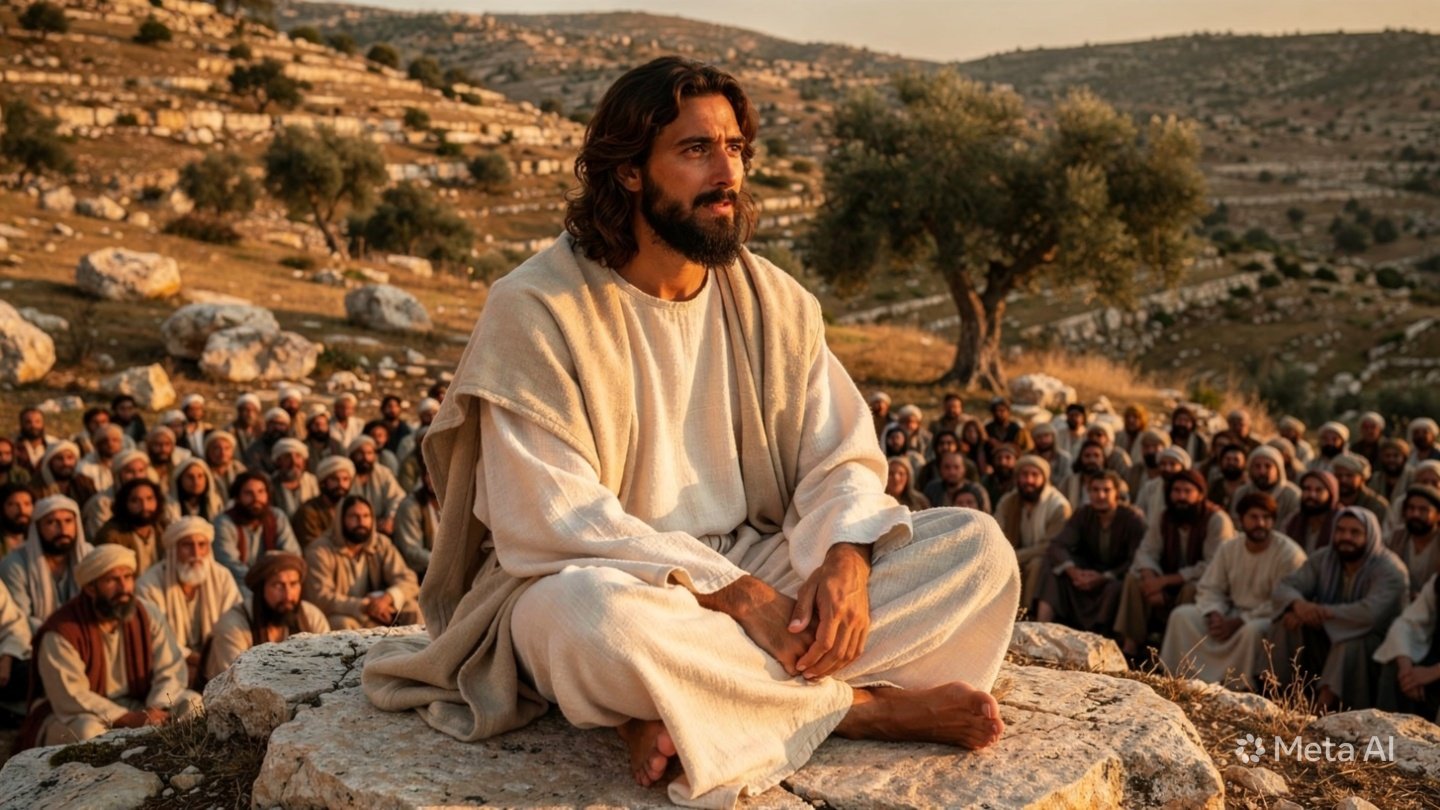
Matthew tells us that when Jesus saw the crowds, He went up a mountainside, sat down, and began teaching His disciples. As more people gathered to listen, He shared truths that would shape Christian faith for generations.
The sermon covers many important topics, including:
The Beatitudes
Being the salt and light of the world
The purpose of God's Law
Anger and reconciliation
Purity of heart
Marriage and faithfulness
Loving enemies
Giving to those in need
Prayer
Fasting
Treasures in heaven
Trusting God instead of worrying
Judging others fairly
The Golden Rule
True and false disciples
Building life on a solid foundation
Although Matthew provides the fullest account, Luke 6:17–49 contains a shorter message often called the Sermon on the Plain. Many scholars believe Luke records either a shorter version of the same teachings or a similar message given on another occasion.
Reading Matthew chapters 5 through 7 together helps readers see how each teaching connects to the next. Rather than isolated sayings, they form a complete picture of life in God's Kingdom.
The sermon begins with blessings and ends with a call to action. Jesus does not simply ask people to admire His words. He calls them to obey them. That challenge remains just as meaningful today.
What Are the Beatitudes and Why Do They Matter?
The Beatitudes open the sermon On the Mountain and introduce the values of God's Kingdom. Found in Matthew 5:3–12, each statement begins with the word "Blessed," describing people who experience God's favor.
Jesus highlights qualities that the world often overlooks.
He says the poor in spirit inherit the Kingdom of Heaven.
Those who mourn receive comfort.
The meek inherit the earth.
Those who hunger and thirst for righteousness are filled.
The merciful receive mercy.
The pure in heart will see God.
The peacemakers are called children of God.
Those persecuted for righteousness belong to God's Kingdom.
These blessings reveal that God values humility more than pride, mercy more than revenge, and faithfulness more than popularity.
The Beatitudes also point believers toward spiritual maturity. They describe attitudes that grow as people walk closely with Christ.
Instead of focusing on outward success, Jesus focuses on inward transformation.
These teachings encourage believers to:
Depend on God daily.
Show compassion to others.
Pursue holiness.
Make peace whenever possible.
Remain faithful during trials.
Place eternal rewards above temporary recognition.
Many Christians view the Beatitudes as the introduction to everything that follows in the sermon. They describe the kind of heart that can live out the rest of Jesus' teachings.
Even today, these verses continue to comfort those who struggle while reminding every believer that God's definition of blessing is very different from the world's.
How Does the Sermon On the Mountain Teach Christians to Live?
The sermon On the Mountain teaches that following Jesus affects every area of life.
Faith is not limited to worship services or religious activities. It shapes attitudes, decisions, relationships, and priorities every day.
Jesus first calls believers to be "the salt of the earth" and "the light of the world." Salt preserves and adds flavor. Light removes darkness. Christians are called to influence the world through godly character rather than blending into sinful culture.
Jesus also explains that true obedience begins in the heart.
He warns against:
Anger that grows into hatred.
Lust that leads to sin.
Dishonesty.
Revenge.
Hypocrisy.
Pride.
Instead, He encourages His followers to practice:
Humility.
Integrity.
Mercy.
Forgiveness.
Self-control.
Love for both friends and enemies.
One of the most challenging commands is to love those who oppose us. Jesus teaches believers to pray for their enemies rather than seeking revenge.
This reflects God's own love, shown through Christ.
The sermon also reminds Christians not to seek praise for good works. Acts of generosity, prayer, and fasting should honor God rather than impress other people.
Jesus repeatedly directs attention toward eternal rewards instead of temporary approval.
Living according to these principles is not always easy, but the Holy Spirit strengthens believers to grow in obedience over time.
The result is a life that reflects God's character and points others toward Him.
What Does the Sermon On the Mountain Say About Prayer?
Prayer occupies a central place in the sermon On the Mountain because Jesus wanted His followers to develop a genuine relationship with their heavenly Father.
He warns against praying simply to gain attention. Some religious leaders prayed publicly so others would admire them.
Jesus teaches a different approach.
He encourages believers to pray sincerely, trusting that God sees what happens in secret.
The Lord's Prayer becomes the model.
Its pattern teaches believers to:
Honor God's name.
Seek God's will.
Depend on God for daily needs.
Ask for forgiveness.
Forgive others.
Request protection from temptation and evil.
This prayer is more than words to repeat. It provides a framework for balanced, meaningful communication with God.
Jesus also teaches that worry should never replace prayer.
Instead of becoming consumed with anxiety about food, clothing, or tomorrow, believers are encouraged to trust the Father's care.
One of the best-known verses in the sermon says:
"Seek first the kingdom of God and His righteousness."
This reminds Christians that spiritual priorities should come before earthly concerns.
Prayer strengthens faith because it shifts attention away from fear and toward God's promises.
A consistent prayer life develops peace, wisdom, gratitude, and confidence, helping believers remain steady through life's changing circumstances.
What Does Jesus Teach About Love and Forgiveness?
One of the most remarkable parts of the sermon On the Mountain is Jesus' teaching on love and forgiveness. While many people naturally love those who treat them well, Jesus calls His followers to go much further.
He says:
"Love your enemies and pray for those who persecute you" (Matthew 5:44).
This command was revolutionary then and remains challenging today. Loving an enemy does not mean approving of wrongdoing or ignoring injustice. Instead, it means choosing mercy over hatred, praying for those who oppose us, and refusing to let bitterness take control of our hearts.
Jesus points to God's own example. The Father sends sunshine and rain on both the righteous and the unrighteous. His kindness extends even to those who reject Him. Christians are called to reflect that same love.
Forgiveness is another central theme.
Jesus teaches believers to forgive others because they have first received God's forgiveness. Unforgiveness damages relationships, steals peace, and hinders spiritual growth. Forgiveness, however, frees the heart from resentment and allows healing to begin.
The Lord's Prayer reinforces this truth:
"Forgive us our debts, as we also have forgiven our debtors."
Throughout Scripture, forgiveness is never presented as weakness. It is an act of obedience and faith. It trusts God to bring justice while allowing believers to walk in freedom instead of carrying the burden of anger.
Practical ways to live out these teachings include:
Praying for people who have hurt you.
Responding with kindness instead of revenge.
Refusing to spread gossip.
Seeking reconciliation whenever possible.
Speaking words that build others up.
Remembering God's grace toward you.
When Christians love as Jesus loved, they become powerful witnesses of the Gospel. Their actions often speak louder than their words, demonstrating God's transforming power to a watching world.
Why Is the Sermon On the Mountain Still Important Today?
Although Jesus preached the sermon On the Mountain nearly two thousand years ago, its message is timeless.
Modern society faces many of the same struggles that existed in the first century. People wrestle with pride, greed, anger, anxiety, broken relationships, and the search for lasting purpose. Jesus' teachings address every one of these issues.
The sermon reminds believers that true happiness is not found in wealth, popularity, or power. It comes from walking with God and living according to His will.
Its principles also strengthen families, churches, workplaces, and communities.
For example:
Humility builds healthy relationships.
Honesty creates trust.
Mercy restores broken lives.
Forgiveness brings healing.
Generosity helps those in need.
Prayer deepens faith.
Trust in God replaces fear with peace.
The sermon also provides a moral compass in a culture where values constantly change. Jesus' words remain steady because they are rooted in God's unchanging character.
Another reason this message remains relevant is that it points beyond outward behavior. Many people focus on appearances, but Jesus addresses the heart. He teaches that lasting change begins within.
Christians continue studying these chapters because they reveal what spiritual maturity looks like. They challenge believers to grow in love, holiness, wisdom, and obedience.
Most importantly, the sermon points people toward Christ Himself. While no one perfectly follows every command, Jesus fulfilled God's righteousness completely. Through faith in Him, believers receive forgiveness, new life, and the power of the Holy Spirit to grow in obedience.
The sermon On the Mountain is therefore not simply a collection of moral sayings. It is an invitation to become citizens of God's Kingdom and to reflect His character in every area of life.
How Can You Apply the Sermon On the Mountain Every Day?
The sermon On the Mountain is meant to be lived, not merely studied. Jesus concluded His message by comparing obedient believers to wise builders who construct their houses on solid rock. Storms will come, but a life built on His words will stand firm.
Applying these teachings begins with daily choices.
Start each day by spending time in prayer and reading God's Word. Ask the Holy Spirit to shape your attitudes and actions according to Christ's example.
Here are practical ways to put Jesus' teachings into practice:
Practice Humility
Recognize your need for God every day.
Instead of seeking recognition, serve others with a willing heart.
Celebrate the success of others rather than competing for attention.
Choose Forgiveness
When someone hurts you, resist the desire for revenge.
Pray for wisdom and strength to forgive, remembering how much God has forgiven you.
Forgiveness may take time, but it begins with a decision to release bitterness.
Trust God Completely
Jesus reminds believers not to worry about tomorrow.
Work faithfully, plan wisely, but leave the future in God's hands.
His care never fails.
Love Others Generously
Look for opportunities to encourage, help, and pray for people around you.
Acts of kindness often open doors for sharing the hope found in Christ.
Seek God's Kingdom First
Evaluate your priorities regularly.
Ask yourself:
Does this decision honor God?
Does it help me grow spiritually?
Does it reflect Christ's love?
Am I investing in eternal things?
When God's Kingdom comes first, everything else finds its proper place.
Living this way does not produce instant perfection.
Instead, it leads to steady spiritual growth as believers increasingly reflect the character of Jesus in their daily lives.
Conclusion
The sermon On the Mountain remains one of the greatest teachings ever given. In Matthew chapters 5–7, Jesus reveals what life in God's Kingdom looks like and calls His followers to pursue a righteousness that begins in the heart.
Its lessons on humility, mercy, purity, prayer, forgiveness, generosity, and trust continue to guide Christians around the world. These principles challenge worldly values while offering a better way to live—one rooted in God's truth and sustained by His grace.
The sermon also reminds us that faith is more than knowledge. It is obedience. Jesus calls every believer to hear His words, believe them, and put them into practice.
No one perfectly lives out these teachings through human effort alone. That is why the Gospel is such good news. Through Jesus Christ, we receive forgiveness for our sins, new life by His Spirit, and the strength to grow in holiness each day.
Whether you are beginning your walk with Christ or have followed Him for many years, the sermon On the Mountain offers timeless wisdom that will deepen your faith, strengthen your relationships, and draw you closer to God.
Take time to read Matthew chapters 5–7 slowly. Pray over each section. Ask God to reveal areas where He wants to shape your heart. As you build your life on the foundation of Christ's words, you will discover the lasting peace, hope, and joy that come from walking in obedience to Him.
Support This Ministry
If this article has encouraged your walk with Christ, you can help support future Bible studies, devotionals, and faith-based resources by visiting:
Ko-fi: https://ko-fi.com/prayatdawn
🌍 Support Global Evangelism: https://www.givesendgo.com/support-global-evangelism-through-pray-?utm_source=share
Your support helps make more Christ-centered content freely available to readers around the world.
