
Who is Abraham?
Learn about his covenant with God, his family story, and why he is called the father of faith.
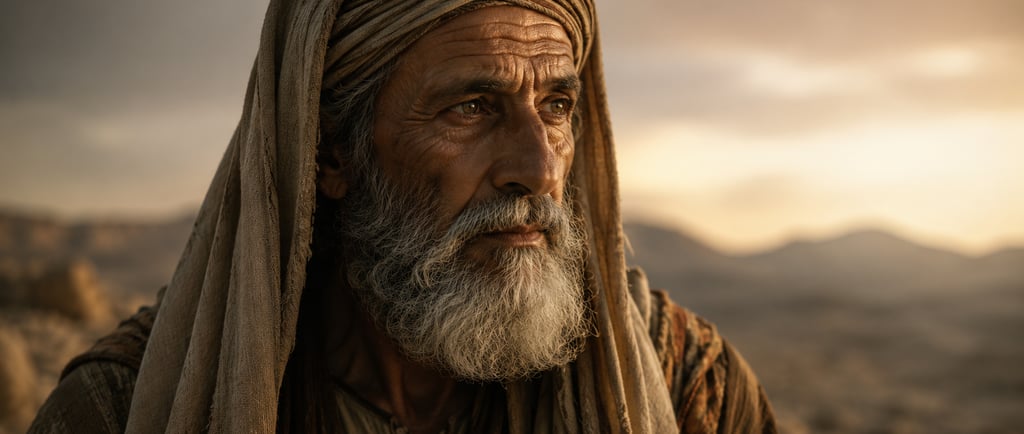
Abraham is one of the most important people in the Bible.
His story shapes major parts of the Old Testament and influences Judaism, Christianity, and Islam. Many readers know him as the “father of faith” because of his trust in God during difficult situations.
But Abraham’s story is more than a history lesson.
It is a story about obedience, promises, testing, family, and hope.
Understanding Abraham helps readers better understand the Bible’s larger message about faith and God’s relationship with humanity.
Who Is Abraham in the Bible?
Abraham was a man chosen by God to become the father of a great nation.
He first appeared in Genesis under the name Abram. Later, God changed his name to Abraham, meaning “father of many nations.”
Abraham lived in the ancient Middle East during a time when families moved with livestock and traveled long distances for survival.
God called Abraham to leave his homeland and journey to a new land that He promised to give to his descendants.
Abraham obeyed even though he did not know where the journey would lead.
His life became central to biblical history because God established a covenant with him.
Where Is Abraham Mentioned in Scripture?
Abraham appears throughout the Bible.
His story begins mainly in:
Genesis 11–25
Romans 4
Hebrews 11
James 2
The New Testament also presents Abraham as an example of faith and obedience.
Why Is Abraham Important?
Abraham matters because God made major promises through him.
Those promises included:
A great nation
Many descendants
A special land
Blessing for all nations
His story became foundational to biblical faith and history.
Why Did God Call Abraham?
God called Abraham to leave his homeland and trust Him completely.
At the time, Abraham lived in Ur and later Haran with his family. God instructed him to move to a land He would later reveal.
This calling required courage because Abraham left behind familiarity, security, and established relationships.
Genesis presents Abraham’s response as immediate obedience.
He trusted God’s promise even without seeing the final outcome.
This decision marked the beginning of a covenant relationship that shaped the rest of Scripture.
What Promise Did God Make to Abraham?
God promised Abraham:
Descendants as numerous as the stars
A homeland for his family
Blessing for future nations
These promises became central themes throughout the Bible.
Even when Abraham and Sarah remained childless for many years, God repeated the promise.
Why Did Abraham Leave His Homeland?
Abraham left because he trusted God.
Hebrews 11 explains that he obeyed by faith, even though he did not know where he was going.
His journey became one of the Bible’s clearest examples of trust and obedience.
Who Is Abraham’s Family?
Abraham’s family story plays a major role in Genesis.
His wife Sarah struggled with infertility for many years, creating emotional tension and uncertainty. Yet God eventually fulfilled His promise by giving them a son named Isaac in old age.
Before Isaac’s birth, Abraham also had a son named Ishmael through Hagar, Sarah’s servant.
The relationships between Sarah, Hagar, Isaac, and Ishmael shaped major parts of biblical history.
Abraham’s descendants later became connected with the nation of Israel.
Who Were Sarah, Isaac, and Ishmael?
Sarah was Abraham’s wife and Isaac’s mother.
Isaac became the child connected to God’s covenant promises.
Ishmael was Abraham’s first son through Hagar.
Both sons became important in biblical and historical discussions.
Why Did Abraham’s Family Matter in Biblical History?
Abraham’s family line became central to Israel’s history.
Through Isaac came:
Jacob
The twelve tribes of Israel
Future biblical leaders
The Bible repeatedly points back to God’s promises to Abraham.
Why Is Abraham Called the Father of Faith?
Abraham earned this title because he trusted God even during uncertainty.
His faith appeared in several major moments:
Leaving his homeland
Believing God’s promise for a son
Trusting during years of waiting
Willingness to sacrifice Isaac
The Bible presents Abraham’s faith as active and obedient.
He was not perfect, but he continued trusting God through difficult seasons.
What Tests of Faith Did Abraham Face?
Abraham faced many challenges.
These included:
Leaving home
Famine
Delayed promises
Family conflict
The command involving Isaac
The test involving Isaac became the most famous.
God asked Abraham to offer Isaac as a sacrifice, but stopped him before harm occurred.
What Can Readers Learn From Abraham’s Faith?
Readers often learn that faith includes:
Patience
Obedience
Trust during uncertainty
Dependence on God
Abraham’s story shows that faith does not remove challenges, but it shapes how people respond to them.
What Was God’s Covenant With Abraham?
God’s covenant with Abraham was a special promise and relationship.
Genesis 15 and Genesis 17 describe key moments in this covenant.
God promised Abraham descendants, land, and blessing. In return, Abraham and his descendants were called to remain faithful to God.
Circumcision became the physical sign of this covenant.
The covenant shaped Israel’s identity and remained important throughout the Old Testament.
What Did Circumcision Represent?
Circumcision represented commitment to the covenant relationship with God.
It became an identifying sign among Abraham’s descendants.
How Did the Covenant Shape Biblical History?
The covenant influenced:
Israel’s national identity
Biblical law
Prophetic promises
New Testament teachings
Many later Bible events connect directly to God’s promises to Abraham.
Who Is Abraham in Judaism, Christianity, and Islam?
Abraham holds an honored position in all three major Abrahamic religions.
In Judaism, he is the founding patriarch of Israel.
In Christianity, he represents faith and trust in God.
In Islam, Abraham, called Ibrahim, is respected as a prophet and model of submission to God.
This shared respect makes Abraham one of the most influential religious figures in history.
Why Is Abraham Respected Across Religions?
Abraham is respected because of:
His faith
His obedience
His role as a patriarch
His willingness to trust God
His story crosses religious and cultural boundaries.
What Happened Between Abraham and Isaac?
The relationship between Abraham and Isaac became one of the Bible’s most emotional stories.
After years of waiting for God’s promise, Abraham received a shocking command to sacrifice Isaac.
Abraham obeyed and traveled to Mount Moriah with his son.
At the final moment, God stopped him and provided a ram instead.
The story became a major example of trust and obedience in Scripture.
Why Did God Test Abraham?
The Bible presents the event as a test of faith.
It demonstrated Abraham’s willingness to trust God completely.
The story also reinforced Isaac’s importance in God’s covenant promises.
Why Does Abraham’s Story Still Matter Today?
Abraham’s story continues to matter because it speaks about trust, obedience, and hope.
Readers still connect with his experiences of waiting, uncertainty, and difficult decisions.
His story also reminds people that faith often begins with small acts of obedience.
Abraham’s influence extends far beyond biblical history.
He shaped religious belief, culture, ethics, and spiritual teaching across centuries.
How Has Abraham Influenced Faith and Culture?
Abraham appears in:
Sermons
Religious teachings
Literature
Art
Historical discussions
His story remains one of the most recognized faith journeys in history.
Conclusion
Abraham stands at the center of biblical history.
He left his homeland, trusted God’s promises, and became the father of a nation that shaped the story of Scripture.
His life included success, failure, testing, and deep faith.
More importantly, Abraham’s story continues to inspire readers to trust God even when the future feels uncertain.