
Who Is Hagar?
Who is Hagar? Learn her role in Genesis, her connection to Abraham and Sarah, and why her story still matters today.
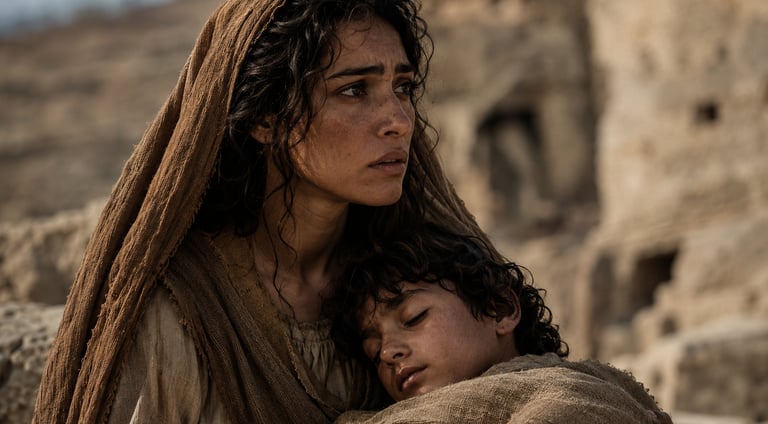
Hagar is one of the most emotional and memorable women in the Old Testament.
Her story includes pain, rejection, survival, and hope.
Although she began as Sarah’s servant, Hagar became deeply connected to Abraham’s family and the wider biblical story. Her experiences in Genesis continue to speak to readers who feel overlooked, mistreated, or uncertain about the future.
Hagar’s life also reveals an important truth about God’s character: He sees people in their suffering.
Understanding Hagar’s story helps readers better understand family tension in Genesis and the promises God made through Abraham’s descendants.
Who Is Hagar in the Bible?
Hagar was an Egyptian servant in the household of Abraham and Sarah.
Her story appears mainly in Genesis 16 and Genesis 21.
Because Sarah could not have children for many years, she gave Hagar to Abraham so that a child could be born through her. This decision reflected customs practiced in some ancient cultures.
Hagar later became the mother of Ishmael.
As the story developed, conflict grew between Hagar and Sarah. Hagar eventually fled into the wilderness, where God met her and spoke to her directly.
This moment made Hagar one of the few women in the Bible to receive a personal message from God through an angel.
Her story combines family struggle, survival, and divine care.
Where Is Hagar Mentioned in Scripture?
Hagar appears in several important Bible passages:
Genesis 16
Genesis 21
Galatians 4
Genesis gives the historical account of her life, while Galatians uses Hagar symbolically during Paul’s teaching about law and promise.
These passages made Hagar an important figure in both Jewish and Christian discussions.
Why Is Hagar Important?
Hagar matters because her story reveals God’s concern for vulnerable people.
She was:
A servant
A foreigner
A woman facing rejection
Yet God spoke to her personally.
Genesis also connects Hagar to the wider story of Abraham’s descendants through Ishmael.
Why Did Sarah Give Hagar to Abraham?
Sarah had waited many years for a child.
As time passed, she became discouraged and decided to follow a cultural practice common in the ancient Near East. She gave Hagar to Abraham so a child could be born through her servant.
Genesis presents this decision honestly, including the tension it created afterward.
Once Hagar became pregnant, the relationship between the two women changed quickly.
Feelings of jealousy, pride, hurt, and anger entered the household.
The situation became painful for everyone involved.
This part of Hagar’s story reminds readers that human attempts to force solutions often create deeper problems.
What Was the Cultural Background?
In some ancient societies, a servant could bear children on behalf of a wife who could not conceive.
This practice was socially accepted at the time.
However, even though the culture allowed it, Genesis shows the emotional consequences clearly.
The Bible does not present the arrangement as peaceful or ideal.
How Did This Decision Affect the Family?
The decision caused division inside Abraham’s household.
Conflict developed between:
Sarah and Hagar
Abraham and Sarah
Ishmael and Isaac later in the story
The tension shaped future family relationships and became part of a much larger biblical history.
Who Is Hagar’s Son Ishmael?
Ishmael was the son born to Abraham and Hagar.
Before his birth, God promised Hagar that her son would become the father of a great nation. This promise showed that God cared about Ishmael even though he was not the son connected to the covenant later established through Isaac.
Genesis describes Ishmael as growing strong in the wilderness.
He later became associated with tribes living in desert regions.
His story matters because he remained part of Abraham’s wider family line.
What Promise Did God Make About Ishmael?
God promised that Ishmael’s descendants would become numerous.
Genesis records that Ishmael would become the father of twelve princes and a great nation.
Although Isaac carried the covenant promise, Ishmael still received God’s blessing and protection.
How Is Ishmael Connected to Biblical History?
Ishmael is important in Jewish, Christian, and Islamic traditions.
Many traditions trace large family groups and historical peoples through his descendants.
This connection gives Hagar’s story lasting historical and religious importance.
Why Did Hagar Leave Sarah’s Household?
Tension between Sarah and Hagar eventually became too great.
After Hagar became pregnant, Sarah felt dishonored and treated Hagar harshly. Hagar fled into the wilderness to escape the conflict.
During this difficult moment, the angel of the Lord found Hagar near a spring in the desert.
God spoke to her, gave her guidance, and promised protection for her son.
This scene became one of the most moving moments in Genesis.
Hagar responded by calling God “the God who sees me.”
That statement remains one of the strongest themes in her story.
What Happened Between Hagar and Sarah?
Their relationship changed after Hagar conceived.
Genesis suggests:
Hagar looked at Sarah differently
Sarah became angry and hurt
Abraham allowed Sarah to handle the conflict
The household became emotionally divided.
How Did God Help Hagar in the Wilderness?
God met Hagar in her suffering.
He:
Spoke to her
Comforted her
Directed her
Promised a future for Ishmael
Later, when Hagar and Ishmael were again sent away, God provided water and protection in the wilderness.
What Does the Story of Hagar Teach Us?
Hagar’s story teaches powerful lessons about suffering, dignity, and faith.
Many readers relate to her because she experienced rejection and uncertainty. Yet even in isolation, she was not abandoned.
One of the strongest themes in her story is that God sees people others overlook.
Hagar had little social power, yet God spoke directly to her and cared for her survival.
Her story also warns about the damage caused by jealousy and broken relationships.
What Spiritual Lessons Come From Hagar’s Life?
Several lessons stand out:
God sees hurting people
Human choices affect families deeply
God can provide hope during hardship
Faith often grows during difficult seasons
These themes continue to connect with modern readers.
Why Do Readers Relate to Hagar Today?
Many people identify with feelings Hagar experienced:
Rejection
Fear
Loneliness
Uncertainty
Her story offers reassurance that difficult circumstances do not remove a person from God’s care.
Who Is Hagar Compared With Other Women in Genesis?
Hagar’s story differs from many women in Genesis because she lived as both a servant and an outsider.
Unlike Sarah, she did not hold authority within the household. Yet her story still receives significant attention in Scripture.
Hagar’s experiences also reveal how women without social status could still become important in biblical history.
How Was Hagar Different From Sarah?
Sarah was Abraham’s wife and part of the covenant promise through Isaac.
Hagar was:
Egyptian
A servant
The mother of Ishmael
Their positions created tension throughout the story.
What Makes Hagar’s Story Unique?
Hagar is unique because she directly encountered God in the wilderness.
She also became the first person in Scripture recorded as giving God a name:
“You are the God who sees me.”
That moment gives her story deep emotional and spiritual impact.
What Does the Name Hagar Mean?
The exact meaning of “Hagar” is uncertain.
Some scholars connect the name with ideas related to flight or wandering, which fits parts of her story.
Although the Bible does not explain the meaning directly, readers often notice how closely her life connects with travel, displacement, and survival in the wilderness.
Why Are Biblical Names Significant?
Names in Scripture often carry meaning connected to identity or purpose.
Examples include:
Isaac — laughter
Jacob — heel-grabber
Israel — struggles with God
Because names mattered deeply in ancient culture, many readers study them carefully when exploring biblical stories.
Why Does Hagar’s Story Still Matter Today?
Hagar’s story remains important because it speaks to human pain in a deeply personal way.
Readers continue to connect with her experiences of rejection, survival, and hope.
Her story also reminds believers that God notices people society may ignore.
That message remains powerful across cultures and generations.
How Has Hagar Influenced Faith Discussions?
Hagar appears in discussions about:
Faith and suffering
Women in Scripture
Family conflict
God’s compassion
Her story also appears in sermons, Bible studies, books, and academic discussions around the world.
Conclusion
Hagar’s story is brief but deeply meaningful.
She began as a servant in Abraham’s household yet became part of one of the Bible’s most remembered family stories.
Her experiences reveal family tension, hardship, and God’s care for vulnerable people.
More importantly, Hagar’s story reminds readers that no one is invisible to God.
That truth continues to make her story powerful today.