Who Is Methuselah?
Who is methuselah? Learn about the oldest man in the Bible, his family line, remarkable age, and why his story still matters today.
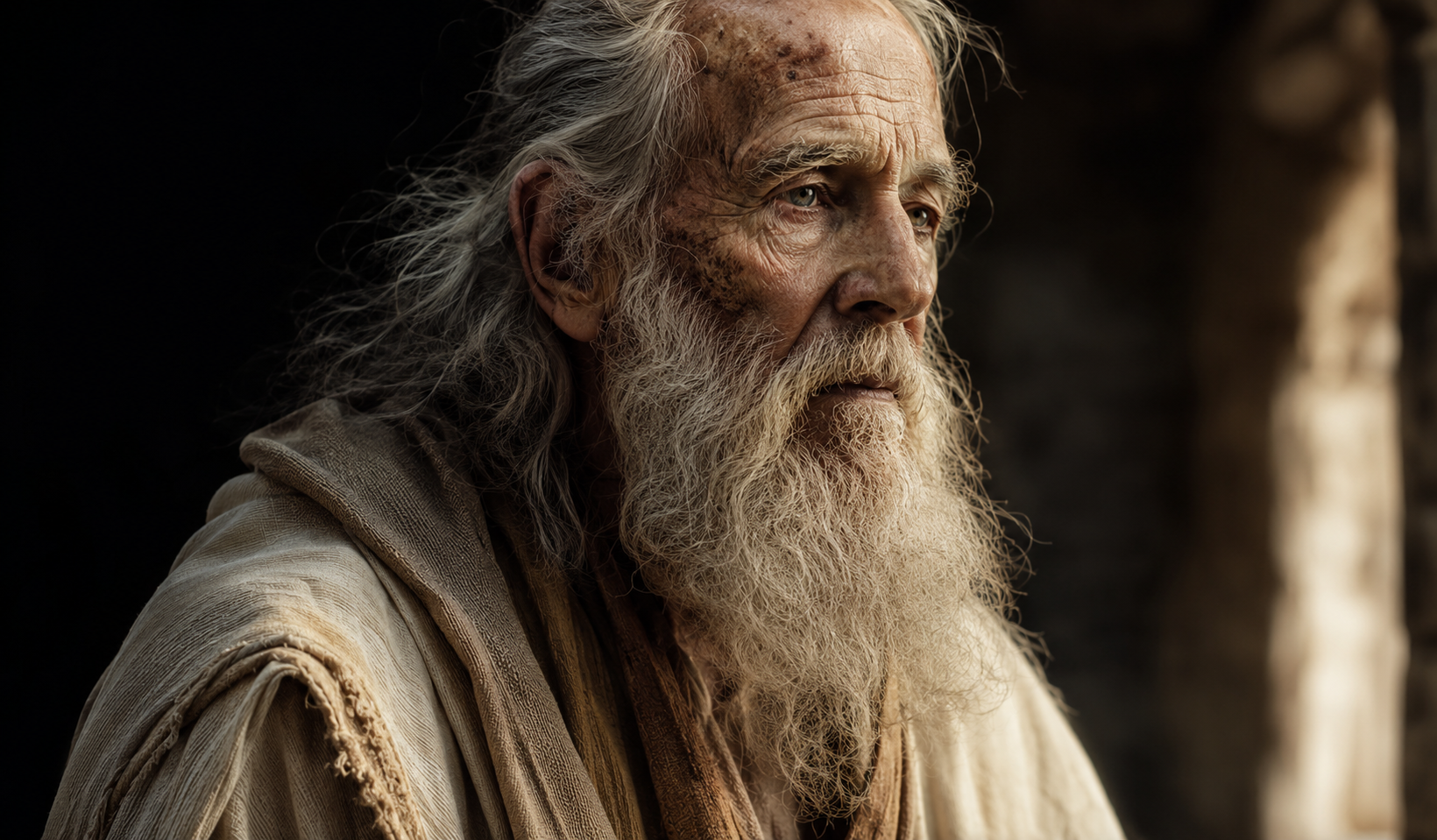
Few Bible figures attract curiosity like Methuselah.
His name is almost always linked with one fact: he lived longer than anyone else recorded in Scripture.
But there is more to his story than his age.
Methuselah appears in the genealogy of Genesis and connects major Bible figures like Enoch and Noah. His life also raises questions about early humanity, biblical symbolism, and God’s patience before the flood.
Understanding Methuselah helps readers better understand the early chapters of Genesis and the message they carry.
Who Is Methuselah in the Bible?
Methuselah was a man mentioned in the Old Testament book of Genesis.
According to Genesis 5, he lived for 969 years, making him the longest-living person recorded in the Bible. He belonged to the godly family line that began with Adam and continued through Seth.
Methuselah was the son of Enoch and the grandfather of Noah.
His story appears during a time when people in Genesis were said to live extremely long lives. While Scripture gives only a few details about his actions, his position in biblical history is important.
Methuselah lived during the generations leading up to the great flood in Noah’s day.
His long lifespan often becomes the center of discussion, but his family connections matter just as much. Through him, the Bible links Enoch’s faithfulness with Noah’s survival through the flood.
The Bible presents Methuselah as part of a larger story about humanity, judgment, and God’s mercy.
Where Is Methuselah Mentioned in Scripture?
Methuselah is mainly mentioned in Genesis 5:21–27.
This chapter records the descendants of Adam through Seth and gives details about their ages and family lines.
Methuselah also appears in genealogies found in:
1 Chronicles
Luke 3:37
These references confirm his place in biblical history.
Although the Bible does not include long speeches or events involving Methuselah, his name remains memorable because of his extraordinary lifespan and family connection to Noah.
Why Is Methuselah Famous?
Methuselah is famous because he reportedly lived 969 years.
For many readers, this raises immediate questions:
Was this age literal?
Did ancient calendars work differently?
Was long life common before the flood?
His age has become a symbol of extreme longevity.
Even outside religious settings, people sometimes use “Methuselah” to describe someone very old.
Still, the Bible presents him as more than a curiosity. His life stands within a timeline leading directly to Noah and the flood narrative.
Why Did Methuselah Live So Long?
The Bible does not directly explain why Methuselah lived longer than anyone else.
However, Genesis shows that many early figures had unusually long lifespans. Adam lived 930 years, Seth lived 912 years, and Jared lived 962 years.
Methuselah simply lived the longest among them.
Some Bible readers interpret these ages literally. Others believe the numbers may carry symbolic meaning or represent ancient cultural traditions.
Regardless of interpretation, the text presents long life as normal during that early period.
Many scholars also note that lifespans became shorter after the flood.
This pattern appears throughout Genesis and later biblical history.
What Does the Bible Say About His Age?
Genesis 5:27 states:
“Thus all the days of Methuselah were 969 years, and he died.”
The verse is short and direct.
The Bible does not debate the number or explain it further. It simply records his lifespan as part of the genealogy.
For believers who accept Genesis historically, Methuselah’s age reflects conditions in the world before the flood.
Others view the number as symbolic of greatness, honor, or completeness.
Are There Different Views About Biblical Longevity?
Yes. There are several common interpretations.
Literal View
Some readers believe early humans truly lived for centuries because conditions before the flood were different.
Symbolic View
Others believe the ages communicate importance rather than exact years.
Cultural View
Some scholars think ancient genealogies used large numbers to express honor and status.
Despite differing opinions, Methuselah remains central to discussions about biblical history and interpretation.
Who Were Methuselah’s Parents and Children?
Methuselah came from a significant family line in Genesis.
His father was Enoch, one of the most respected figures in the Bible. Genesis says Enoch “walked with God” and did not experience death in the normal way.
Methuselah’s son was Lamech, and Lamech became the father of Noah.
This places Methuselah directly between Enoch and Noah in biblical genealogy.
That connection gives his story deeper meaning because both Enoch and Noah played major roles in Genesis.
How Was Methuselah Connected to Enoch?
Enoch was Methuselah’s father.
Genesis describes Enoch as a man who lived closely with God. Hebrews 11 also praises Enoch’s faith.
Many readers find this connection important because it places Methuselah within a faithful family line.
Some Jewish traditions even suggest Enoch passed wisdom and spiritual instruction to his descendants.
The Bible itself does not give many details about their relationship, but the family connection stands out clearly.
Was Methuselah Related to Noah?
Yes.
Methuselah was Noah’s grandfather.
This means Methuselah lived during much of Noah’s early life. According to many Bible timelines, Methuselah died around the same year the flood began.
Some scholars believe this timing may symbolize God’s patience before judgment came upon the earth.
What Does the Name Methuselah Mean?
The exact meaning of “Methuselah” is debated.
Many scholars connect the name with meanings related to:
“man of the dart”
“his death shall bring”
“when he dies, it will come”
Some interpreters connect the final meaning with the timing of the flood.
According to this idea, the flood arrived shortly after Methuselah died.
While this interpretation is popular in some religious circles, the Bible does not directly explain the meaning of his name.
Why Do Biblical Names Matter?
Names in the Bible often carry symbolic or prophetic meaning.
For example:
Abraham means “father of many”
Isaac relates to laughter
Noah connects with rest or comfort
Because names mattered deeply in ancient cultures, many readers search for spiritual meaning in Methuselah’s name as well.
What Can We Learn From Methuselah’s Life?
The Bible gives few personal details about Methuselah, yet readers still draw important lessons from his life.
One lesson involves God’s patience.
Methuselah’s long life happened before the flood, a period when humanity became increasingly corrupt. Some interpret his lifespan as evidence that judgment was delayed for many years.
Another lesson involves legacy.
Methuselah’s importance comes partly from his family line. Through him came Noah, whose obedience preserved humanity and animal life during the flood.
His story also reminds readers that long life alone does not define greatness.
Unlike Moses, David, or Paul, Methuselah is not remembered for speeches, miracles, or leadership. His place in Scripture comes through genealogy and timing.
What Spiritual Lessons Stand Out?
Several themes appear in discussions about Methuselah:
God’s patience
The importance of family legacy
Faith passed through generations
Human mortality despite long life
Even the longest human lifespan recorded in Scripture eventually ended.
That truth reinforces a major biblical message: earthly life is temporary.
Why Does Methuselah Still Matter Today?
Methuselah continues to interest modern readers because his story touches faith, history, and mystery.
People remain fascinated by:
Long lifespans
Ancient genealogy
Flood history
Early humanity
His name also became part of popular culture as a symbol of old age and endurance.
Did Methuselah Die Before the Flood?
According to common biblical timelines, yes.
Many Bible scholars calculate that Methuselah died in the same year the flood began.
Genesis does not directly connect the two events, but the timing has led to strong interest for centuries.
Some interpreters see this as another sign of God’s mercy because judgment did not come until Methuselah’s life ended.
What Timeline Do Bible Scholars Suggest?
Using Genesis genealogies, scholars often build timelines showing:
Adam to Noah
Generations before the flood
Ages of patriarchs
In many calculations:
Methuselah lived 969 years
Noah was 600 years old when the flood began
These timelines place Methuselah’s death very close to the flood narrative.
Who Is Methuselah Compared With Other Long-Living Bible Figures?
Methuselah holds the record for the longest lifespan in Scripture.
Other long-living figures include:
Adam — 930 years
Seth — 912 years
Jared — 962 years
Noah — 950 years
These ages appear mainly in Genesis before the flood.
After that period, lifespans gradually decrease.
Moses, for example, lived 120 years.
How Old Were Adam, Noah, and Jared?
Genesis records these ages:
Biblical FigureReported AgeAdam930Jared962Methuselah969Noah950
Methuselah remains the oldest among them.
Why Does the Story of Methuselah Continue to Interest People?
Methuselah combines mystery, history, and symbolism in one short biblical profile.
His story creates discussion among:
Historians
Theologians
Archaeology enthusiasts
Bible readers
Questions about human lifespan, ancient history, and biblical interpretation keep his name relevant.
How Has Methuselah Influenced Culture and Language?
The name “Methuselah” often appears in books, movies, and conversation as a symbol of extreme age.
For example, people may jokingly describe an old object or person as “as old as Methuselah.”
The name has also been used for:
Ancient trees
Scientific projects
Literary characters
This cultural impact shows how deeply biblical stories continue to shape language and imagination.
Conclusion
Methuselah remains one of the most fascinating figures in Genesis.
Although the Bible gives only limited details about his life, his age, family line, and historical setting continue to attract attention.
He connects the faithful example of Enoch with the flood account of Noah.
His story also raises timeless questions about humanity, mortality, judgment, and faith.
Whether readers approach Genesis historically, symbolically, or spiritually, Methuselah stands as a memorable part of the biblical record.