
Who Is Sarah? Her Story and Faith in the Bible
Who is Sarah? Learn about her role in Genesis, her faith journey, and God’s promise that changed biblical history.
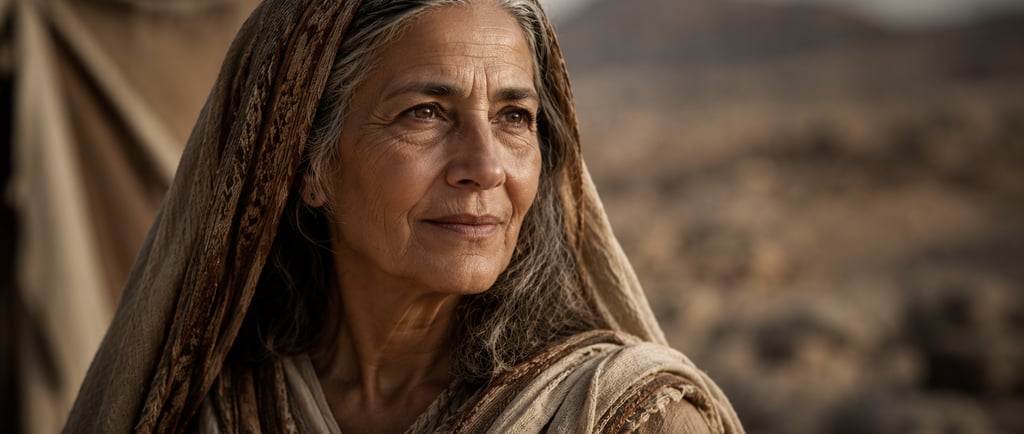
Sarah is one of the most important women in the Bible.
Her story includes faith, waiting, struggle, doubt, and fulfillment. She is best known as Abraham’s wife and Isaac’s mother, but her role in Scripture goes far beyond family relationships.
Sarah became part of God’s covenant promise and helped shape the future of Israel’s history.
Her journey also speaks to readers who know the pain of waiting for answers and hoping through uncertainty.
Understanding Sarah’s story helps readers better understand Genesis and the larger message of faith throughout the Bible.
Who Is Sarah in the Bible?
Sarah was the wife of Abraham and the mother of Isaac.
She first appeared in Genesis under the name Sarai. Later, God changed her name to Sarah as part of His covenant promise.
Sarah traveled with Abraham from their homeland into regions God promised to their descendants.
Although she struggled with infertility for many years, God eventually fulfilled His promise by giving her a son in old age.
Sarah’s story appears mainly in Genesis 11–23.
She became one of the key women connected to God’s covenant with Abraham.
Where Is Sarah Mentioned in Scripture?
Sarah appears in several important passages, including:
Genesis 11–23
Isaiah 51:2
Romans 4
Hebrews 11
1 Peter 3
The New Testament presents Sarah as an example of faith and trust in God.
Why Is Sarah Important?
Sarah matters because she became the mother of Isaac, the son connected to God’s covenant promises.
Her story also highlights:
Faith during uncertainty
Waiting on God’s timing
Family struggles
God’s faithfulness
She remains one of the Bible’s most recognized women.
Why Did God Change Sarai’s Name to Sarah?
God changed Sarai’s name to Sarah in Genesis 17.
The name “Sarah” means “princess.” The change reflected God’s promise that nations and kings would come through her family line.
Name changes in the Bible often signaled a new identity or calling.
For Sarah, the change marked her place in God’s covenant plan.
At the time, Sarah was still without children, making the promise seem impossible from a human perspective.
Yet God declared that she would become the mother of nations.
What Does the Name Sarah Mean?
Sarah means “princess.”
The name connects with honor, leadership, and significance.
It reflected her future role in biblical history.
Why Do Name Changes Matter in the Bible?
Name changes often marked important spiritual moments.
Examples include:
Abram to Abraham
Jacob to Israel
Simon to Peter
These changes symbolized transformation and purpose.
Who Is Sarah’s Husband Abraham?
Sarah was married to Abraham, one of the Bible’s central figures.
Together they traveled through Canaan, Egypt, and surrounding regions while following God’s direction.
Their marriage included both strong faith and difficult moments.
They experienced fear, waiting, uncertainty, and family conflict. Yet they also witnessed God’s promises unfold over time.
Genesis presents their relationship honestly rather than perfectly.
How Did Sarah Travel With Abraham?
Sarah left her homeland with Abraham when God called them to move.
This journey required sacrifice because they left familiar surroundings behind.
Sarah shared Abraham’s uncertain future and trusted the journey alongside him.
What Challenges Did Their Marriage Face?
Their marriage faced several major struggles:
Infertility
Famine
Fear in foreign lands
Conflict involving Hagar
Waiting for God’s promise
Despite these challenges, they remained central to God’s covenant story.
Why Did Sarah Struggle to Have Children?
One of the biggest struggles in Sarah’s life was infertility.
For many years she remained unable to have children, even after God promised Abraham descendants.
As time passed, Sarah grew discouraged.
Eventually she gave Hagar, her servant, to Abraham so a child could be born through her. This decision later created tension within the household.
The Bible presents Sarah honestly, showing both her faith and her moments of doubt.
Why Did Sarah Laugh at God’s Promise?
When visitors announced that Sarah would have a son despite her old age, she laughed privately.
Her laughter reflected disbelief because the promise seemed impossible.
Yet God fulfilled His promise exactly as He said.
How Was Isaac Finally Born?
Isaac was born when Abraham and Sarah were very old.
His birth represented:
God’s faithfulness
Fulfilled promises
Joy after years of waiting
Isaac’s name itself means “laughter,” connecting back to Sarah’s reaction.
What Happened Between Sarah and Hagar?
Sarah and Hagar’s relationship became one of the most painful family conflicts in Genesis.
After Sarah gave Hagar to Abraham, Hagar became pregnant with Ishmael. Tension quickly developed between the two women.
Sarah later treated Hagar harshly, causing Hagar to flee temporarily into the wilderness.
Years later, after Isaac’s birth, Sarah asked Abraham to send Hagar and Ishmael away.
These events created emotional division inside the household.
The Bible does not hide the pain or complexity of the situation.
Why Did Sarah Give Hagar to Abraham?
Sarah likely acted out of frustration and impatience.
In ancient cultures, using a servant as a surrogate was socially accepted.
However, Genesis shows the emotional consequences clearly.
How Did Conflict Enter the Household?
Conflict grew through:
Jealousy
Hurt feelings
Fear about inheritance
Family tension
The situation affected everyone involved.
What Can We Learn From Sarah’s Life?
Sarah’s story teaches lessons about waiting, faith, and human weakness.
She experienced disappointment, doubt, and emotional struggle. Yet God still worked through her life and fulfilled His promises.
Her story reminds readers that faith does not require perfection.
Sarah also demonstrates that God’s timing may differ from human expectations.
What Spiritual Lessons Stand Out?
Several lessons appear clearly:
God keeps His promises
Waiting can strengthen faith
Human plans may create complications
Faith grows through difficult seasons
These themes continue to encourage readers today.
Why Does Sarah Still Inspire Readers Today?
Many readers relate to Sarah’s experiences:
Waiting for change
Facing uncertainty
Wrestling with doubt
Hoping for answered prayers
Her story offers reassurance that God can work even through imperfect people.
Who Is Sarah Compared With Other Women in Genesis?
Sarah stands out because she became directly connected to God’s covenant promises.
Unlike many women in Genesis, her story receives extended attention across multiple chapters.
She also became one of the few women specifically praised for faith in the New Testament.
What Makes Sarah’s Story Unique?
Several details make Sarah unique:
Her name change
Her role in the covenant
Isaac’s miraculous birth
Her long journey with Abraham
Her life connects deeply with the foundation of Israel’s story.
Why Does Sarah’s Story Still Matter Today?
Sarah’s story still matters because it speaks about faith during long periods of waiting.
Many people understand the emotional tension between hope and disappointment.
Sarah’s journey shows that doubt and faith can exist together while God continues working.
Her influence also extends beyond biblical history into religious teaching, literature, and culture.
How Has Sarah Influenced Faith and Culture?
Sarah appears in:
Sermons
Bible studies
Religious teaching
Art and literature
Discussions about women of faith
Her story remains one of the Bible’s strongest examples of patience and promise.
Conclusion
Sarah remains one of the most influential women in Scripture.
She walked beside Abraham through uncertainty, struggled through years of waiting, and witnessed God fulfill an impossible promise.
Her story includes weakness, faith, conflict, and hope.
More importantly, Sarah reminds readers that God’s promises are not limited by human circumstances.