

Who Was Mordecai?
Mordecai is a central figure in the Book of Esther, a story of deliverance, courage, and divine timing. He was a Jew living in Susa, the capital of the Persian Empire, during the reign of King Xerxes. Though he held no noble title at the beginning, his actions would lead to the salvation of an entire nation. Mordecai was the guardian of Esther, a young Jewish woman who would become queen. His faith in God, sense of justice, and strategic wisdom helped him uncover plots, challenge evil, and guide Esther to risk her life to save their people.
Mordecai’s story is not just about bravery. It’s about how one faithful person can shape history. Through patience and faith, Mordecai trusted God’s purpose even when facing danger. He refused to bow to Haman, exposed a deadly plot against the king, and later received royal honor. Mordecai’s legacy is still remembered today during the Jewish festival of Purim.
Let’s explore who Mordecai really was, why he’s important, and what we can learn from his life.
What is Mordecai’s Background?
Mordecai was from the tribe of Benjamin, the same tribe as King Saul. According to Esther 2:5-6, “Mordecai… had been carried into exile from Jerusalem by Nebuchadnezzar king of Babylon.” This exile happened when King Jeconiah of Judah was taken captive. That means Mordecai lived as a descendant of exiles in a foreign land, with limited power or influence.
Despite his exile status, Mordecai remained faithful to his Jewish identity. He was a man of conviction and compassion. He took in his orphaned cousin, Hadassah (Esther), and raised her as his own daughter. His role as a guardian was key—not only for her well-being but for the unfolding of God’s plan.
His name, “Mordecai,” may be linked to the Babylonian god Marduk, showing how Jews adapted under foreign rule. But his actions made it clear: Mordecai worshipped the God of Israel. He did not allow culture to erase his faith. Even in a powerful empire, Mordecai stood for righteousness.
How Did Mordecai End Up in Persia?
Mordecai was part of the Jewish community that had been exiled from Judah during the Babylonian captivity. While many Jews later returned to Jerusalem under Cyrus, some, like Mordecai’s family, remained in Persia.
Living in Susa, he likely worked in some administrative role at the king’s gate—a place where legal and civil matters were conducted. This position gave him insight into palace politics and allowed him to act decisively when danger appeared.
His presence in Persia reflects a broader truth: even when God’s people are far from home, God can still use them. Mordecai was not in Jerusalem or the temple, but he was exactly where God needed him. His influence would grow, not by force, but through faith, timing, and wisdom.
Why Is Mordecai Important in the Book of Esther?
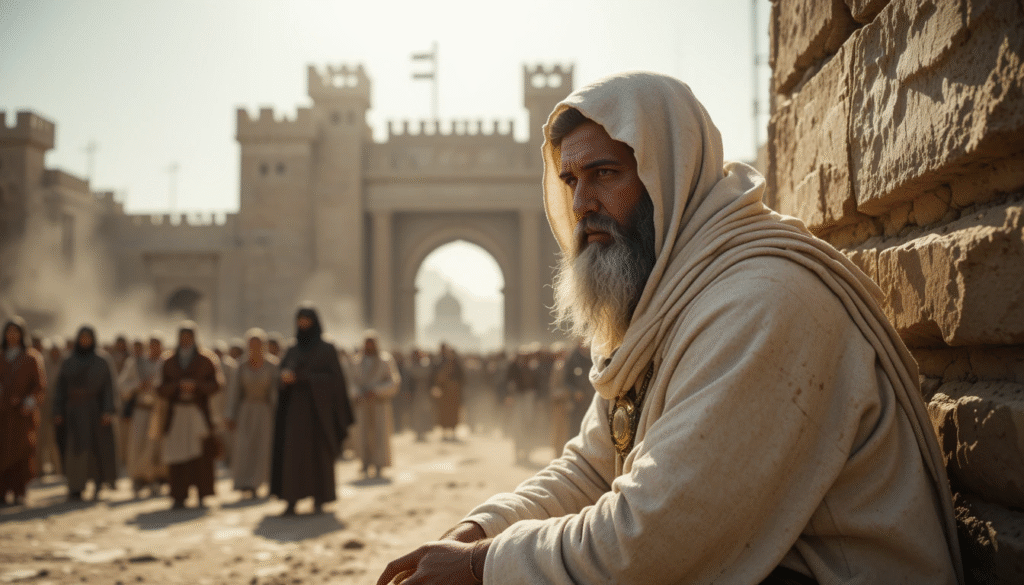
Mordecai is the hidden force behind many turning points in the Book of Esther. Though Esther becomes queen, Mordecai guides, advises, and protects her throughout the story.
When Haman plotted to destroy the Jews, it was Mordecai who wept, fasted, and called Esther to act. He didn’t stand by in fear. He challenged Esther with powerful words: “And who knows but that you have come to your royal position for such a time as this?” (Esther 4:14)
Without Mordecai’s voice, Esther may have hesitated. His courage fueled hers. He became a spiritual anchor for her, and ultimately for the Jewish people.
Mordecai’s importance lies in how he quietly influenced the outcome. He stayed behind the scenes yet moved events forward. His faith and wisdom proved more powerful than royal decrees or political ambition.
What Role Did Mordecai Play in Esther’s Rise?
Mordecai raised Esther and prepared her for life in a challenging world. When she was taken into the king’s palace, Mordecai instructed her not to reveal her Jewish identity. He also stayed close, visiting daily to check on her (Esther 2:11).
His guidance gave Esther both strength and strategy. He didn’t push her forward recklessly, but he knew when to act. When the time came, he reminded her of her duty—not as royalty, but as a daughter of Israel.
His fatherly care turned into prophetic counsel. He was more than a relative—he was a spiritual leader in Esther’s life. In helping Esther rise, Mordecai stepped into the background, allowing her to shine. That selflessness is a model for every mentor and guide.
How Did He Expose a Royal Plot?
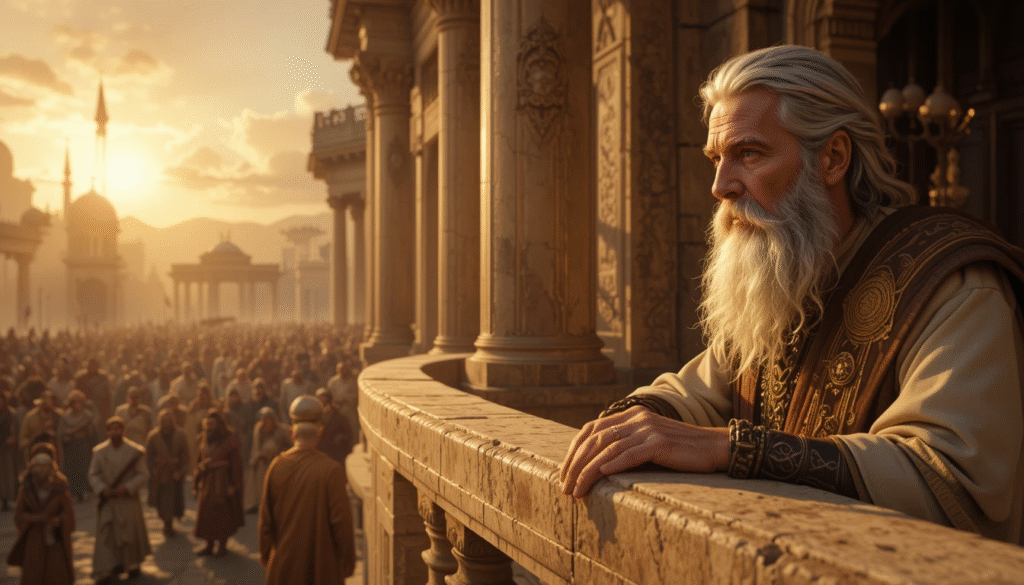
While sitting at the king’s gate, Mordecai overheard two palace guards planning to assassinate King Xerxes (Esther 2:21–23). He reported it to Esther, who informed the king in Mordecai’s name. The plot was investigated, and the men were hanged. The account was recorded in the royal chronicles.
At the time, Mordecai received no reward. But this seemingly forgotten act would later be key to his promotion.
In Esther 6, the king, unable to sleep, asks for the chronicles to be read. He discovers Mordecai’s loyalty and decides to honor him publicly. This moment shifts the story. Mordecai’s forgotten faithfulness is suddenly remembered, showing how no good deed is truly overlooked by God.
Why Did Mordecai Refuse to Bow to Haman?
Mordecai’s refusal to bow to Haman was both a spiritual and moral stand. In Esther 3:2, “But Mordecai would not kneel down or pay him honor.” Haman was an Agagite—a descendant of the Amalekites, enemies of Israel.
Mordecai saw Haman not just as a man, but as part of an enemy legacy. Bowing would have compromised his conscience and history. This act angered Haman, who then sought to destroy all Jews in retaliation.
Mordecai chose obedience to God over fear of man. His boldness sparked a chain of events that exposed evil and prepared the way for deliverance. It was a costly choice, but one rooted in truth.
How Did Mordecai Help Save the Jews?
After Haman issued the decree to destroy the Jews, Mordecai put on sackcloth and ashes and mourned publicly (Esther 4:1). He then urged Esther to go before the king—even though it was dangerous.
He played the role of intercessor, strategist, and prophet and He equipped Esther with the resolve to act. When the time came, Esther revealed Haman’s plot to the king, and Mordecai was given Haman’s estate.
Mordecai then issued a new decree allowing the Jews to defend themselves (Esther 8:11). When the day of attack came, they were prepared. The result was victory and celebration, now commemorated in the feast of Purim.
What Happened to Him After Haman’s Fall?
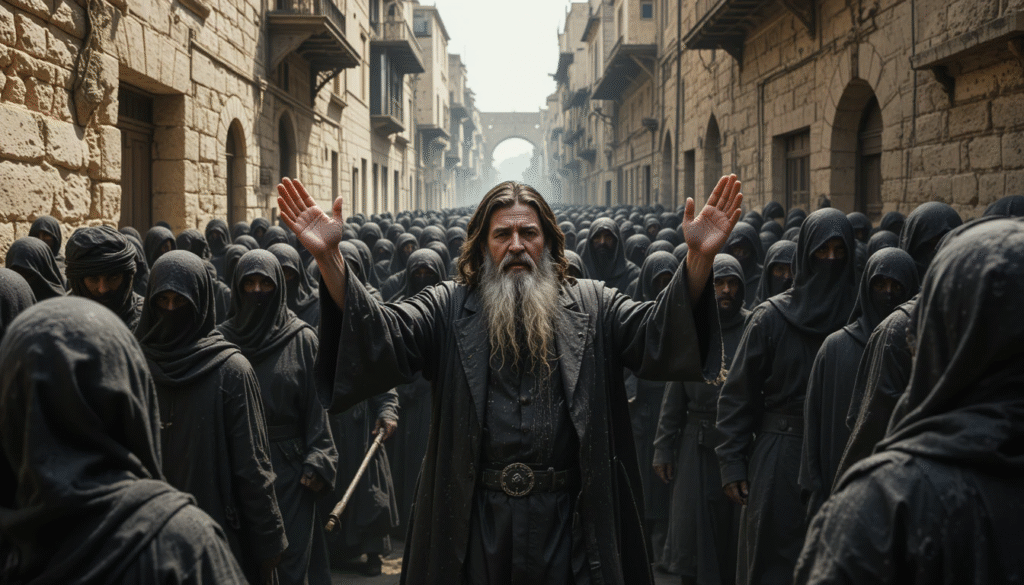
After Haman was hanged, Mordecai rose to power. He was given Haman’s position and wore royal robes of blue and white (Esther 8:15). He became second only to King Xerxes.
More importantly, he used his authority for good. Esther 10:3 says, “Mordecai the Jew was second in rank… and held in high esteem… because he worked for the good of his people.”
His rise was not about personal gain. Mordecai’s power came with purpose: to protect, lead, and restore his people.
What Can We Learn from Mordecai’s Faith and Courage?
Mordecai’s story teaches us that:
- Faithfulness in obscurity matters.
- God remembers what others forget.
- Courage is contagious.
- Humble leaders can change history.
His faith guided his choices. His love for Esther and his people motivated his actions. And his trust in God never wavered, even when death seemed certain.
In a time of great risk, Mordecai stood firm. He didn’t seek honor—but honor found him.
Is Mordecai Mentioned Elsewhere in the Bible?
Mordecai’s main account is found in the Book of Esther. However, Esther 10:2–3 concludes his story, noting his greatness and the respect he earned.
Outside of Esther, Mordecai isn’t mentioned elsewhere in Scripture. Yet his influence endures. The annual feast of Purim celebrates his legacy. His name lives on in Jewish memory as a symbol of courage, loyalty, and faith.
📚 Shop Our Favorite Ancient Texts
📖 The Book of Enoch 👉 https://amzn.to/4eCzsjj
📖 The Apocrypha Master Collection 👉https://amzn.to/3GvKWbM
📖 Ethiopian Bible in English (Complete 88 Books) 👉 https://amzn.to/45ToL9L
📖 The Book of Giants 👉https://amzn.to/44BDLqm
📖 The Dead Sea Scrolls Bible 👉 https://amzn.to/3Tp1ViV
📖 The book of Lilith 👉 https://amzn.to/4lA7Zkt
Also read more of our Insights here
